Web Designer Portfolio

Facebook
Email
LinkedIn
Pinterest

Rajshahi University Admission 2025 – RU A Unit ​ Question & Solution

The Dhaka University Admission 2025 process is one of the most competitive in Bangladesh. This year, the DU KHA/B Unit admission test for the Social Science, Law, and Arts faculties was held on January 25, 2025. Thousands of applicants participated in the exam, and many are now searching for the DU B Unit question solution 2025 to verify their answers.

In this post, we provide the Dhaka University KHA/B Unit MCQ and written question solutions. Students who sat for the admission exam can now cross-check their responses to get an idea of their performance. The University of Dhaka Social Science, Law, and Arts unit question solution 2025 PDF will also be available for download on our website.

The importance of checking the DU admission question solution cannot be overstated. It helps students identify their mistakes, estimate their possible scores, and understand the difficulty level of the exam. This is especially valuable for candidates preparing for other units or planning future admission attempts.

We have uploaded both text and PDF files of the Dhaka University KHA/B Unit question answers, covering both MCQ and written parts. Applicants are encouraged to review them carefully and match their responses.

Stay connected with us for the latest updates on Dhaka University Admission 2025, including results, merit lists, and important notices.

Dhaka University Admission 2024-2025: Question Solution for Humanities Unit

The Dhaka University Admission circular for the 2024-2025 academic year was officially announced earlier this year. Following the announcement, the online application process began and ended on December 25, 2024, with thousands of students applying for a chance to study at one of the most prestigious universities in Bangladesh.

Today, the much-awaited Dhaka University Admission Test for the Humanities Unit has been successfully conducted. Like every year, thousands of eager candidates participated in this competitive exam, hoping to secure a seat in their desired subjects.

To support the admission seekers, we have prepared the Dhaka University Admission Question Solution 2025. This resource allows students to check the accuracy of their answers once they return home after the exam. By comparing their responses, candidates can estimate their performance and evaluate their chances of success.

For those preparing for upcoming units, analyzing the question pattern and solution is extremely beneficial. It helps students identify commonly asked topics, understand the difficulty level, and improve their preparation strategy.

Stay connected with us for the latest updates, question solutions, and admission-related guidance to help you succeed in the Dhaka University Admission 2024-2025 process.

Dhaka University Admission 2024-2025: Details about Mark Distribution & Question Pattern

Unit Name: Social Science, Law and Arts

 Exam Date: January 25, 2025

Exam Type: MCQ & Written Exam

Exam Day: Saturday

Exam Time: 11.00 AM

Exam Finished: 12.30 PM

Total exam time: 1 Hour and 30 Minutes

Total Seat: 2938

Website Link: admission.eis.du.ac.bd

Circular Link:  Admission Circular Link 

Dhaka University Admission 2025 – KHA/B Unit MCQ & Written Question Answer

The Dhaka University admission test is one of the most competitive exams in Bangladesh, attracting thousands of students every year. Among its different units, the KHA Unit (B Unit) is specifically designed for candidates from the Arts and Humanities group. The DU Social Science Unit admission test under KHA Unit is a key opportunity for students aiming to pursue higher education in Arts and Social Sciences at one of the country’s most prestigious institutions.

For the academic year 2024-2025, the competition has been particularly intense. According to official statistics, a total of 1,25,418 candidates appeared for the Dhaka University KHA Unit admission test. What makes this year even more challenging is that the B Unit has the lowest number of seats available compared to other units, increasing the pressure on students to perform exceptionally well.

The Dhaka University admission KHA Unit exam includes both MCQ and Written questions. The format tests not only memorization but also analytical skills, ensuring that only the most capable candidates secure a place. Students are required to prepare across a broad range of Arts and Humanities subjects to maximize their chances of success.

We understand how important the solutions are for every candidate. That’s why we will provide the DU KHA Unit MCQ & Written Question Answers 2025 as soon as the official exam is completed. These solutions will help students evaluate their performance and estimate their chances of admission.

The Dhaka University admission 2025 process is highly competitive, but with proper preparation and access to authentic question solutions, students can improve their confidence and results. Stay connected with us for the latest updates, question answers, and helpful resources for all units, including DU KHA Unit.

Dhaka University Admission: DU Social Science, Law and Arts Unit Pass Mark

For students preparing for Dhaka University Admission, knowing the pass mark for different units is essential. Among the most competitive, the DU KHA Unit (Social Science, Law, and Arts Unit) has specific requirements every candidate must understand.

According to the official notice, the DU KHA Unit pass mark for the MCQ exam is 24 marks. If a candidate fails to secure this minimum score, their written exam answer sheet will not be evaluated. This emphasizes the importance of doing well in the MCQ section.

For the written exam, the minimum pass mark is 12. However, passing both sections individually is not enough; students must also achieve a combined pass mark of 40 out of 100 (MCQ + Written). Any candidate scoring below 40 will not qualify for the final admission process.

Understanding these criteria is crucial for effective preparation. Students aiming for success in the Dhaka University Admission test must balance their focus between MCQ and written exams to secure eligibility for final selection.

 MCQ Exam Pass Mark: 24

Written Exam Pass Mark: 12

Total Pass Mark (in 100 Marks): 40

Dhaka University Admission Question 2025 – Download PDF

If you are preparing for the Dhaka University Admission 2025, it is essential to practice with previous year’s questions. The DU Social Science or Arts Unit Admission Test includes two parts: an MCQ section and a written section. Candidates must pass both exams separately to qualify. To support students, we have uploaded Dhaka University Admission questions for all units, including MCQ and written parts, organized with detailed answers. You can easily download the DU Admission Question 2025 PDF from our website and boost your preparation for success.

Dhaka University Admission 2025 – Social Science Unit MCQ Question & Solution

If you are preparing for Dhaka University Admission 2025, the Social Science Unit (B Unit) is one of the most competitive. Every year, thousands of students apply for this unit under the University of Dhaka, which covers subjects like Bangla, English, and General Knowledge.

The B Unit MCQ section carries a total of 60 marks, carefully distributed among these core subjects. To succeed, students must focus on time management, accuracy, and strong preparation in language and analytical skills.

For your convenience, we have provided the Dhaka University Social Science Unit MCQ Question & Solution 2025 PDF. This resource will help you understand the exam structure, review correct answers, and practice effectively before the final test.

Preparing with previous years’ questions and solutions not only boosts confidence but also helps identify common question patterns. Students aiming for Dhaka University Admission should use this guide as a key preparation tool.

👉 Download the DU Social Science Unit MCQ Question & Answer PDF and start practicing today to secure your place at the prestigious University of Dhaka.

বিষয়ঃ বাংলা

1. ‘সাহিত্য’ শব্দটির প্রকৃতি-প্রত্যয় কোনটি?

Explanation:

বিপ্রকর্ষের উদাহরণ হলো রত্ন > রতন, ধর্ম > ধরম, হর্ষ > হরষ, সত্য > সইত্য, এবং শুক্রবার > শুক্কুরবার। বিপ্রকর্ষ বা স্বরভক্তি একটি ধ্বনিতাত্ত্বিক প্রক্রিয়া, যেখানে দুটি যুক্তব্যঞ্জনের মাঝে একটি স্বরধ্বনি যুক্ত হয়ে শব্দের উচ্চারণ সহজ হয়। 


বিপ্রকর্ষের অন্যান্য উদাহরণ:
  • স্বপ্ন: > স্বপন
  • প্রীতি: > পিরীতি
  • ক্লিপ: > কিলিপ
  • ফিল্ম: > ফিলিম
  • বেঞ্চ: > বেঞ্চি
  • বিলাতি: > বিলিতি
  • তুর্ক: > তুরুক
ব্যাখ্যা:
বিপ্রকর্ষ বা স্বরভক্তি শব্দের মধ্যে থাকা যুক্তব্যঞ্জন ধ্বনিকে ভেঙে তার মাঝখানে একটি স্বরধ্বনি বসিয়ে শব্দের উচ্চারণকে সহজ ও সাবলীল করে তোলে। যেমন, ‘রত্ন’ শব্দে ‘ত’ ও ‘ন’ এর মাঝে ‘অ’ স্বরধ্বনি যুক্ত হয়ে ‘রতন’ হয়, যা উচ্চারণ করতে অপেক্ষাকৃত সহজ। 

2. ‘অজগর বৃত্তি’ বাগ্ধারার অর্থ কী?

Explanation:

‘গ্যারেজ’ শব্দটি ফরাসি ভাষা থেকে এসেছে, যা মূলত ফরাসি শব্দ “garer” থেকে উৎপন্ন, যার অর্থ “আশ্রয় দেওয়া” বা “সুরক্ষা করা”। এই শব্দটি পরবর্তীতে ইংরেজিতে এবং তারপর অন্যান্য ভাষায় প্রবেশ করেছে।

মূল শব্দ: ‘গ্যারেজ’ শব্দটি ফরাসি শব্দ “garer” থেকে এসেছে, যার অর্থ “আশ্রয় দেওয়া” বা “সুরক্ষা করা”।

ব্যুৎপত্তি:এই শব্দটি মূলত কোনো কিছুকে (যেমন একটি গাড়িকে) আশ্রয় বা সুরক্ষা দেওয়ার ধারণা থেকে উদ্ভূত হয়েছে।  Read More: 
 

3. বাংলা সাহিত্যের সার্থক ট্রাজেডি নাটক কোনটি?

Explanation:

“অজানা” শব্দটিতে ‘অ-‘ উপসর্গটি খাঁটি বাংলা. খাঁটি বাংলা উপসর্গ হলো সেই উপসর্গ যা বাংলা ভাষায় ব্যবহৃত হয়, যেমন অ-, অজ-, আ-, পাতি-, কু-, ইতি- ইত্যাদি। ‘অজানা’ শব্দের ‘অ-‘ উপসর্গটি ‘অভাব’ অর্থে ব্যবহৃত হয়েছে। 

খাঁটি বাংলা উপসর্গযুক্ত কয়েকটি উদাহরণ:
  • অচিন‘অ-‘ (অভাব) + ‘চিন’ = অচিন
  • অজপাড়া‘অজ-‘ (নিতান্ত) + ‘পাড়া’ = অজপাড়া
  • আড়ঘর‘আড়-‘ (আড়াআড়ি) + ‘ঘর’ = আড়ঘর
  • আনাড়ি‘আ-‘ (বিশেষ) + ‘নাড়ি’ = আনাড়ি
  • কুখ্যাত‘কু-‘ (মন্দ) + ‘খ্যাত’ = কুখ্যাত
  • তিবুকা‘তি-‘ (আঁটা) + ‘বুকা’ = তিবুকা
  • পাতিনেতা‘পাতি-‘ (ছোট) + ‘নেতা’ = পাতিনেতা
  • বিফল‘বি-‘ (বিশেষ) + ‘ফল’ = বিফল
  • সফল‘স-‘ (সহিত) + ‘ফল’ = সফল
  • হা-ভাতে‘হা-‘ (না) + ‘ভাতে’ = হা-ভাতে
এই উপসর্গগুলো মূল শব্দের আগে বসে নতুন শব্দ তৈরি করে এবং তার অর্থের পরিবর্তন সাধন করে।  Read More: 
 

4. যুদ্ধ করতে ইচ্ছুক-

Explanation:

‘Trilogy’-এর পারিভাষিক শব্দ কী?

‘Trilogy’-এর বাংলা পারিভাষিক শব্দ হলো ত্রয়ী। এটি একই চরিত্র বা থিম নিয়ে লেখা তিনটি উপন্যাস, নাটক বা চলচ্চিত্রের একটি সিরিজকে বোঝায়। 
  • একটি ট্রিলজি হলো তিনটি পৃথক কাজের একটি সিরিজ যা একে অপরের সাথে সংযুক্ত থাকে এবং একটি অবিচ্ছেদ্য গল্প তৈরি করে। 
  • এই কাজগুলো সাহিত্য, চলচ্চিত্র, এবং ভিডিও গেমসের মতো বিভিন্ন মাধ্যমে দেখা যায়। 
  • ‘Trilogy’ শব্দটি এসেছে গ্রিক শব্দ trilogia থেকে, যার অর্থ “তিনটি সম্পর্কিত ট্র্যাজেডির একটি সিরিজ”। 

5. ‘দিলদরিয়া’ কোন সমাস?

Explanation:

প্রদত্ত বিকল্পগুলির মধ্যে “মরিচিকা” বানানটি সঠিক নয়, সঠিক শব্দটি হলো “মরীচিকা” (মৃগতৃষ্ণা বা মরুভূমির জলভ্রম বোঝাতে ব্যবহৃত হয়)।
বিশ্লেষণ: 
  • সঠিক বানান: “মরীচিকা” ( মৃগ+तृষ্ণা>> অর্থ — মরুভূমির জলভ্রম, অপটিক্যাল ইলিউশন)।
  • ভুল বানান: “মরিচিকা” বানানে ‘ই’ কার (ি) এর পরিবর্তে ‘ঈ’ কার (ী) হবে।
সুতরাং, আপনার প্রদত্ত বিকল্পে “মরিচিকা” শব্দটি শুদ্ধ নয়। 
 

6. সমস্ত পদের অংশীভূত পদগুলোকে কী পদ বলে?

7. গঠনগত দিক থেকে ‘তাহারেই পড়ে মনে’ কোন ধরনের কবিতা?

Explanation:

 
অনুভূতিজাত কাল্পনিক ধ্বনির অনুকার বলতে সেইসব শব্দকে বোঝায় যা কোনো বাস্তব ধ্বনিকে অনুকরণ না করে কোনো অনুভূতি বা অনুভূতি-জাত একটি কাল্পনিক ধ্বনিকে বোঝাতে ব্যবহৃত হয়। এর মধ্যে ‘ঝিকিমিকি’ (ঔজ্জ্বল্য), ‘ঠাঁ ঠাঁ’ (রোদের তীব্রতা), ‘মিনমিন’ (অস্পষ্ট বা দুর্বল আলো), ‘পিটপিট’ (অস্থিরতা বা দ্রুত নড়াচড়া), এবং ‘ঝি ঝি’ (আঁধারে বা অলসভাবে নড়াচড়া করার শব্দ) ইত্যাদি অন্তর্ভুক্ত থাকতে পারে। 
উদাহরণ:
  • ঝিকিমিকি: এটি আলোর ঔজ্জ্বল্য বোঝাতে ব্যবহৃত হয়, কোনো বাস্তব শব্দ নয়। 
  • ঠাঁ ঠাঁ: তীব্র রোদ বা দহন বোঝাতে ব্যবহৃত হয়, যা একটি অনুভূতি-জাত কাল্পনিক শব্দ। 
  • মিনমিন:খুব হালকা বা অস্পষ্ট আলো বোঝাতে ব্যবহৃত হয়। 
  • পিটপিট:চোখের পলক ফেলা বা আলোর দ্রুত কম্পন বোঝাতে ব্যবহৃত হয়, যা এক ধরনের অনুভূতি-জাত কাল্পনিক শব্দ। 
  • ঝি ঝি: আঁধারের মধ্যে অলসভাবে কিছু নড়াচড়া করা বা একটি অস্পষ্ট শব্দকে বোঝায়। 
 

৪. ‘আন্না’ শব্দটির সন্ধি বিচ্ছেদ কোনটি?

9. সৈয়দ ওয়ালীউল্লাহ্ কেমন লেখক?

10. কোন সমাসে উভয়পদে কর্তৃকারকে শূন্য বিভক্তি হয়?

Explanation:

“বিপুলা এ পৃথিবীর কতটুকু জানি”-এই বাক্যে “কতটুকু” শব্দটি একটি ক্রিয়াবিশেষণ (adverb), কারণ এটি “জানি” নামক ক্রিয়াপদটির পরিমাণ বা সীমা নির্দেশ করছে।

ব্যাখ্যা: 
  • ক্রিয়াবিশেষণ: হলো এমন একটি পদ যা কোনো ক্রিয়ার পরিমাণ, স্থান, কাল, বা পদ্ধতি বোঝাতে ব্যবহৃত হয়।
  • এই বাক্যে “কতটুকু” শব্দটি “জানি” ক্রিয়াটির পরিমাণ নির্দেশ করছে। অর্থাৎ, আমরা পৃথিবীর কতটুকু জানি বা কতটুকু পরিমাণ জানতে পারি, তা বোঝানো হচ্ছে।
উদাহরণস্বরূপ, “আমি কতটুকু খাবো?”-এখানে “কতটুকু” শব্দটি “খাবো” ক্রিয়ার পরিমাণ বোঝাচ্ছে, তাই এটিও ক্রিয়াবিশেষণ।    Read Mor

11. ‘সেই ফুল আমাদেরই প্রাণ’- ‘ফেব্রুয়ারি ১৯৬৯’ কবিতায় ফুল বলতে কী বোঝানো হয়েছে?

Explanation:

‘যেখানে আমরা বলি ‘চমৎকার’ সেখানে তিনি বলেন ‘চলনসই” এই বাক্যটি একটি সাধারণ বর্তমান কাল। এটি রবীন্দ্রনাথ ঠাকুরের ‘অপরিচিতা’ গল্প থেকে নেওয়া, যেখানে বক্তা বলছেন যে তার পরিচিত বিনুদাদার রুচি ও ভাষা খুব সংযত, যেখানকার সাধারণ মানুষ কোনো কিছুকে ‘চমৎকার’ বলে, সেখানে বিনুদাদা সেটিকে ‘চলনসই’ বলেন।  ব্যাখ্যা:
  • সাধারণ বর্তমান কাল:
    এই কালটা এমন বোঝায় যা সাধারণ সত্য, অভ্যাস বা চিরন্তন কোনো ঘটনা। এখানে বক্তা একটি সাধারণ তুলনা করছেন, যা সবসময়ই ঘটে থাকে।
  • উদাহরণ:
    ‘সূর্য পূর্ব দিকে ওঠে’ বা ‘আমি স্কুলে যাই’—এই সব বাক্যই সাধারণ বর্তমান কালের উদাহরণ।
  • প্রাসঙ্গিকতা:
    এই বাক্যটি বিনুদাদার রুচির একটি স্বাভাবিক বৈশিষ্ট্য প্রকাশ করে, যা বক্তার জন্য নতুন কিছু নয়, বরং এটি একটি সাধারণ সত্যের মতো। 
তাই, বাক্যটির ক্রিয়া ‘বলেন’ থেকে বোঝা যায় এটি একটি বর্তমান কালের উদাহরণ, এবং ‘সাধারণ’ শব্দটির মাধ্যমে এর নির্দিষ্ট সময় ও প্রকৃতি স্পষ্ট হয়।     Read Mor

12. নিচের কোন বানানটি শুদ্ধ?

13. ‘দর্শন’ শব্দের প্রকৃতি-প্রত্যয় কোনটি?

Explanation:

‘অধ্যাপক’ শব্দে প্রথম “অ”-এর উচ্চারণ হলো ও (তৎসম শব্দে “অ” যদি শব্দের প্রথমে থাকে এবং তার পরের বর্ণটি ব্যঞ্জনবর্ণ হয়, তবে সাধারণত এর উচ্চারণ ও হয়)।

অতএব, “অধ্যাপক” শব্দে “অ”-এর উচ্চারণ হবে ও, অর্থাৎ ওধ্যাপক।

ব্যাখ্যা
  • প্রমিত উচ্চারণ বিধি: বাংলা বানানের সঠিক ব্যবহারের জন্য এবং শব্দকে সঠিকভাবে উচ্চারণ করার জন্য কিছু নিয়ম মেনে চলা হয়। 
  • ‘অধ্যাপক’ শব্দের গঠন: এটি একটি তৎসম শব্দ। 
  • উচ্চারণের পরিবর্তন: যখন কোনো তৎসম শব্দে ‘অ’ কার শুরুতে থাকে এবং তার পরের বর্ণটি যদি ব্যঞ্জনবর্ণ হয়, তাহলে সেই ‘অ’-এর উচ্চারণ ‘ও’-তে পরিবর্তিত হয়। 
  • উদাহরণ: ‘অধ্যাপক’ শব্দের প্রথম ‘অ’ এর পর ‘ধ’ ব্যঞ্জনবর্ণটি আছে। তাই, প্রথম ‘অ’-এর উচ্চারণ ‘ও’ হবে, যা ‘ওধ্যাপক’ হিসেবে শোনা যাবে। 
সুতরাং, ‘অধ্যাপক’ শব্দের প্রথম ‘অ’-এর উচ্চারণ হলো ‘ও’। 

14. ‘বিদ্রোহী’ কবিতায় কোন পুরাণের উল্লেখ আছে?

15. কোন বিশ্ববিদ্যালয় কবি জসীমউদ্দীনকে ‘ডিলিট’ উপাধি প্রদান করে?

16.’সত্যিকার মানব-কল্যাণ মহৎ চিন্তা-ভাবনারই ফসল।’ উক্তিটি কার

17. কোনটি তৎসম উপসর্গ?

18. কোনটি ফররুখ আহমদ-এর গ্রন্থ?

19. ‘তামার বিষ’ অর্থ কী?

20. বেঁচে থাকার ইচ্ছা-

21. অমোঘ-মহাপ্রাণ ধ্বনিগুচ্ছ হলো-

22. আবুল ফজলের লেখা উপন্যাস-

23. ‘শেষ লেখা’ কাব্যগ্রন্থের রচয়িতা কে?

24. ‘প্রভাতে উঠিল রবি লোহিত বরণ’ কোন কারকে কোন বিভক্তি?

25. কোনটি সঠিক?

26. ‘সোনার তরী’ কবিতায় ‘যাহা লয়ে ছিনু ভুলে’ বলতে কী বোঝানো হয়েছে?

27. নৈসর্গিক-এর বিপরীতার্থক শব্দ কোনটি?

28. ‘বালার্ক’-এর সমার্থক শব্দ-

বিষয়ঃ ইংরেজি

Read the following passage and answer questions
It is difficult to continue a discussion on education without referring to teachers ——-  their social as well as institutional location, the responsibilities they are endowed with and the difficulties they confront. As education is a constant process of transmission of social heritage, skills, knowledge traditions and values from one generation to another, teachers, as Emile Durkheim reminded us, play a key role in the process of this transaction. But who are they? Are they just paid employees in bureaucratically managed institutions —— the way bankers work in a bank, engineers work in a factory? Or, is it a vocation of an altogether different kind?

  1. The excerpt reflects mainly on _____

Explanation:

The phrase ‘a terrible beauty is born’ contains two opposing concepts: ‘terrible’ suggests something negative or frightening, while ‘beauty’ represents something positive and pleasing. This juxtaposition of contradictory ideas is what defines an oxymoron.

An oxymoron is a figure of speech that combines contradictory terms to create a unique or thought-provoking expression. In this case, the phrase suggests a complexity in beauty that can arise from suffering or chaos, which is a common theme in poetry and literature.

2. Which is the synonym of ‘vocation’?

Explanation:

vocation Means : পেশা’

Synonyms for VOCATIONS: professions, occupations, employments, callings, lines, works, jobs, trades; Antonyms of VOCATIONS: pursuits, hobbies, avocations.

 Read More:  Read More: 

3. Teachers are supposed to be _______

Explanation:

Examples of common misspellings: 
  •  accommodate (not accomodate)
  •  achieve (not acheive)
  •  believe (not beleive)
  •  separate (not seperate)

 Read More:  Read More:  Read More:Read More: 

4.  The underlined phrase in the passage means ____

Explanation:

An interjection is a word or phrase used to express a sudden, strong emotion, such as surprise, pain, or joy, that is grammatically independent from the rest of the sentence. Common examples include “Ouch!” for pain or “Wow!” for surprise, and they are typically used in informal speech and writing, often separated by a comma or followed by an exclamation mark.

What is an interjection?

  • It’s a word or expression that stands alone to convey a spontaneous feeling or reaction.
  • It’s grammatically disconnected from the other words in a sentence, meaning the sentence still makes sense if you remove the interjection. 

Common uses and examples: 

  • Surprise: “Oh my goodness!” or “Wow!”
  • Pain: “Ouch!” or “Ow!”
  • Disgust: “Yuck!” or “Ugh!”
  • Joy/Celebration: “Yay!” or “Hooray!”
  • Hesitation: “Uh,” “Um,” or “Er”

Key Characteristics:

  • Grammatical independence: Interjections are not connected to the grammar of the sentence. 
  • Expresses emotion: Their primary function is to show feelings, not to convey literal meaning. 
  • Context-dependent: The same word can be an interjection in one situation but not another. 
  • Informal use: They are frequent in casual conversation and informal writing but generally avoided in formal or academic settings. 

Punctuation: 

  • A comma is used to separate a mild interjection from the rest of the sentence.
  • An exclamation mark is used to emphasize a strong, emotional interjection.

 Read More

5.  ‘Transaction’ here refers to _______

Explanation: 

সঠিক উত্তর: “ঘ) Hamlet is one of Shakespeare’s most famous works.”

🔹 ব্যাখ্যা:

“Hamlet is one of Shakespeare’s most famous works.”
“One of” এর পর সর্বদা plural noun হয়, এবং “works” এখানে সঠিক ব্যবহার।
“Hamlet” একটি সাহিত্যকর্ম, তাই এটি “work” শব্দের বহুবচন “works” দ্বারা প্রকাশ করা হয়েছে।

❌ ভুল বাক্যগুলোর বিশ্লেষণ:

(ক) I bought two pair of trousers.
“Pair” শব্দটি ইতিমধ্যেই দুইয়ের একটি সেট বোঝায়, তাই এটি plural হলে “pairs” হবে।
সঠিক বাক্য: “I bought two pairs of trousers.”

(খ) Can you give me some advices?
“Advice” হলো uncountable noun, তাই “advices” ভুল।
সঠিক বাক্য: “Can you give me some advice?”

(গ) I read poetry about a horse.
“Poetry” মানে কবিতা যা সাধারণত বস্তুবাচক (abstract) noun, তাই এটি সাধারণত নির্দিষ্ট কোনো বিষয়ের জন্য “a horse” এর মতো নির্দিষ্ট বস্তু বোঝাতে ব্যবহৃত হয় না।
সঠিক বাক্য: “I read a poem about a horse.”

6.  Would you mind ______ the window?

Explanation:

A frequent mistake is using the infinitive form (to + verb) instead of the -ing form after “would you mind”. Remember: when “Would you mind” is followed by an action, the next verb must be in the gerund form (verb-ing), not the infinitive. Incorrect: Would you mind to help me with this?

“Would you mind” is a grammar phrase for making polite requests or asking for permission. The two main structures are: “Would you mind” + gerund (-ing verb) to ask someone to do something (e.g., “Would you mind opening the window?”); and “Would you mind if” + subject + past tense verb to ask for permission to do something yourself (e.g., “Would you mind if I used your computer?”). 
To ask someone to do something: 
  • Structure: Would you mind + verb-ing (gerund)
  • Purpose: To politely ask someone to perform an action
  • Example: “Would you mind waiting a moment, please?”
  • Example: “Would you mind helping me carry this?”
To ask permission for yourself: 
  • Structure: Would you mind if + subject + past simple verb
  • Purpose: To politely ask if your action is acceptable to someone else
  • Example: “Would you mind if I used your laptop?”
  • Example: “Would you mind if we arrived a bit later?”

Key points to remember:

  • Always use the -ing form (gerund) after “mind” when asking someone else to do something. 
  • When asking for permission, the past simple verb is used even if the meaning refers to the present or future. 
  • While “would you mind” is a very polite and common phrasing, “do you mind” can be used in a similar way but is less formal. 

7.  Rifa would _____ read ______ talk. 

Explanation: 

Rules for using Prefer to: rather, than
Use “rather than” to express a preference between two options, maintaining parallel grammatical structure by pairing similar word forms (nouns with nouns, verbs with verbs). For example, “He wanted to be an actor rather than a comedian” or “She prefers swimming rather than biking”. 
Key Rules for Using “Rather Than”
  1. 1. Expresses Preference:
    “Rather than” is used to show a choice between two things, actions, or states, giving more importance to one over the other. 
  2. 2. Maintain Parallel Structure:
    The words or phrases on both sides of “rather than” should have the same grammatical form. 
    • Nouns: “I prefer pizza rather than spaghetti”. 
    • Gerunds (verbs with -ing): “He decided to take a taxi rather than wait for a bus”. 
    • Base-form verbs: “He walked home rather than drove to work”. 
  3. 3. No “to” with “Rather Than”:
    If the main clause uses an infinitive verb (like “to go”), the infinitive after “rather than” does not include “to”. 
    • Correct: “It would be better to go on holiday in June rather than August”. 
    • Incorrect: “It would be better to go on holiday in June rather than to August”. 
  4. 4. Placement:
    While “rather than” typically appears between the two things being compared, it can also begin a sentence. 
    • Example: “Rather than pay the taxi fare, he walked home”. 
  5. 5. Use with “Prefer”:
    “Rather than” is often used with the verb “prefer” to combine two choices into one sentence. 
    • Example: “I prefer getting up early rather than rushing at the last minute”. 

    Rules for using Prefer to: 

    When using the verb “prefer” for a general preference between two things, use the preposition “to” to connect the items being compared, not “than” or “rather than”. The comparison can be with nouns (coffee to tea), -ing forms (watching TV to reading), or a combination (tea to coffee). However, if you are comparing two actions introduced by a to-infinitive, use “rather than”. 
    General Preference
    Use “prefer” with “to” for general likes and dislikes between two things or activities. 
    • With nouns: “I prefer dogs to cats”.
    • With -ing forms (gerunds): “I prefer watching TV to reading books”.
    • Mixing noun and -ing form: “I prefer tea to going out”.
    This video explains how to use “prefer” with “to” or “rather than”:


8. ‘Credulous’ means ________ .

Explanation: 

credulous Means: বিশ্বাসযোগ্য:  Similar: gullible, naive, impressionable, trusting

authentic Means:  of undisputed origin and not a copy; genuine.
“the letter is now accepted as an authentic document”
extraordinary Means: very unusual or remarkable. “the extraordinary plumage of the male”
famous Means: known about by many people. “a famous star”

9. I use this room most. The underlined word is __________

Explanation:

Adverbs describe verbs, adjectives, and other adverbs, answering questions about how, when, where, how often, or to what extent an action or quality occurs. Key features include their common “-ly” ending (though not all do), their role in providing clarity and detail like seasoning in a sentence, and their classification into types such as adverbs of manner, place, time, frequency, and degree. Adverbs can also modify entire sentences and exist as phrases or clauses.  
What Adverbs Modify
  • Verbs:
    They describe how, when, where, why, how much, or how often an action is performed. 
    • Example: She sings loudly. 
  • Adjectives:
    They intensify or diminish the meaning of an adjective. 
    • Example: It is an incredibly exciting film. 
  • Other Adverbs:
    They can modify another adverb, adding more detail to its meaning. 
    • Example: He ran too quickly. 
How Adverbs Indicate Information
Adverbs answer specific questions about the circumstances of an action or quality: 
  • How? (Manner): e.g., quickly, slowly, carefully.
  • When? (Time): e.g., now, yesterday, soon.
  • Where? (Place): e.g., here, outside, far away.
  • How often? (Frequency): e.g., always, sometimes, never.
  • To what extent? (Degree): e.g., very, entirely, almost.
Common Characteristics
  • “-ly” Ending:
    Many adverbs are formed by adding -ly to an adjective, but many exceptions exist, such as “fast” and “well”. 
  • Comparative and Superlative Forms:
    Adverbs can be used in their positive, comparative, and superlative forms, similar to adjectives. 
  • Figurative Function:
    Adverbs act as the “seasoning” of a sentence, adding flavor and clarity to the communication of ideas. 
Beyond Single Words
The function of an adverb can also be fulfilled by:

What are 20 sentences of adverbs?

Here are 20 examples of adverbs used in sentences:
  1. She quickly ran to the bus. (Adverb of manner)
  2. He spoke softly to the child. (Adverb of manner)
  3. The bird sang beautifully in the morning. (Adverb of manner)
  4. They walked slowly up the hill. (Adverb of manner)
  5. Todaywe will go to the park. (Adverb of time)
  6. I will see you tomorrow. (Adverb of time)
  7. She rarely eats fast food. (Adverb of frequency)
  8. He always finishes his work on time. (Adverb of frequency)
  9. The dog barked loudly at the mailman. (Adverb of manner)
  10. He carefully placed the fragile vase on the table. (Adverb of manner)
  11. I will see you later. (Adverb of time)
  12. She happily agreed to the invitation. (Adverb of manner)
  13. The child innocently asked a question. (Adverb of manner)
  14. I finished my homework earlier than expected. (Adverb of time)
  15. She spoke truthfully to the police. (Adverb of manner)
  16. He just arrived at the party. (Focusing adverb)
  17. They are always looking for new ideas. (Adverb of frequency)
  18. She eventually found what she was looking for. (Adverb of time)
  19. The team played skillfully to win the championship. (Adverb of manner)
  20. We went there to see the new exhibit. (Adverb of place) 

10.  List of issues to be discussed at a meeting is called __________

Fill in the blanks (11-15)

11. “Through thick and thin” means ________

Explanation:

through thick and thin Means:
  1. under all circumstances, no matter how difficult.
    “they stuck together through thick and thin”

Read More:  Read More:  Read More:


12.  Jonathan Swift wrote _______

Explanation:

What are the essential writings of Jonathan Swift?

Included are Gulliver’s Travels, A Tale of a Tub, The Battel of the Books, A Discourse Concerning the Mechanical Operation of the Spirit, numerous essays and other prose pieces, and poems, among them several that are rarely reprinted.

What is Jonathan Swift known for?
Jonathan Swift is best known for Gulliver’s Travels, which is a parody of a travel narrative. Published in 1726, it mocks English customs and the politics of the day.
What was Jonathan Swift’s famous essay? 
A Modest Proposal, by Jonathan Swift, is probably the most famous satirical essay in the English language. It was first published in Dublin as a short, anonymous pamphlet. The essay begins as a seemingly dispassionate diagnosis of the extreme poverty in eighteenth-century Ireland.
What is the best work of Jonathan Swift?
Gulliver s Travels
Born in 1667, Jonathan Swift was an Irish writer and cleric, best known for his works Gulliver s Travels, A Modest Proposal, and A Journal to Stella, amongst many others.

13.  Identify the correct sentence:

Explanation:

We have to consider three steps:

  1. Noun Student should be Plural: Students
  2. Verb should be singular: has
  3. and finally, their possessive case His/ their should be singular: His or Her following their Subject Number and case. 

Use “each” to emphasize individuals in a group, typically with a singular verb or noun, and it can be used with two or more items. It functions as a determiner before a singular noun (“each book”), a pronoun after a preposition (“each of us”), or an adverb to modify a verb (“They each cost one dollar”). Ensure you use a singular verb unless “each” follows a plural subject (“They each have children”).   
When to Use “Each”
To emphasize individual items or people: within a group of two or more.  
With singular nouns: when it acts as a determiner (“each student”).  
With plural nouns or pronouns: when it comes after “each of” (“each of the students”).  
As an adverb: when showing a rate or cost per individual (“They each paid $5”).  
How to Use “Each”
1. “Each” as a Determiner
Use before a singular noun, followed by a singular verb.  
Example: Each book on the shelf was a classic.  
2. “Each” as a Pronoun
After a plural subject, it can be followed by a plural verb.  
Example: The students each have their own locker.  
3. “Each of”
Follows with a plural pronoun or noun, typically taking a singular verb.  
Example: Each of the employees received a bonus.  
4. “Each” as an Adverb
Modifies a verb, indicating an action performed by each individual.  
Example: They each brought a dish to the potluck.  
Common Mistakes to Avoid
Using “each” with a plural noun: directly (e.g., “each students” instead of “each student”).  
Forgetting the singular verb: when “each” is the subject or before a singular noun.  
Confusing “each” and “every”: “Every” is for groups, “each” is for individual elements within the group.  
Using “each and every”: While used for emphasis, it’s considered redundant in formal writing. 

Is ‘Each’ Singular or Plural? How to Use ‘Each’ Correctly?

What is the rule for using each? 
 
The word “each” refers to every one of two or more individuals or objects within a group. “Each” typically describes countable nouns (which you can represent in singular or plural form), rather than uncountable nouns (which cannot occur in plural form).

Does each is singular or plural? – singular
 
“Each” is often followed by a prepositional phrase ending in a plural word (“Each of the students”), which confuses the verb choice. Each, too, is always singular and requires a singular verb.

14. Choose the right spelling:

Explanation:

15. Despite his limited experience, he demonstrated a remarkable _______ for solving complex problems.

Explanation:

সীমিত অভিজ্ঞতা সত্ত্বেও, তিনি জটিল সমস্যা সমাধানের ক্ষেত্রে অসাধারণ দক্ষতা প্রদর্শন করেছিলেন।

ineptitude অর্থ :  অযোগ্যতা

reluctance অর্থ : অনিচ্ছা

aptitude অর্থ : যোগ্যতা /দক্ষতা  

indifference অর্থ : উদাসীনতা

16. “To err is human, to forgive ______”

Explanation: 

সম্পূর্ণ প্রবাদটি হল “”To err is human, to forgive divine,” ” “ভুল করা মানবিক, ক্ষমা করা ঐশ্বরিক”, যার অর্থ হল মানুষের ভুল করা স্বাভাবিক, কিন্তু সেই ভুলগুলিকে ক্ষমা করতে পারা ঈশ্বরের মতো একটি গুণ। এই প্রবাদটি আলেকজান্ডার পোপের ১৭১১ সালের কবিতা ” An Essay on Criticism,“” থেকে উদ্ভূত এবং করুণা এবং বিরক্তি ত্যাগ করার গুণের উপর জোর দেয়।

17. Driving recklessly, _________

Explanation: 

This is the use of active voice and Passive voice. He is the subject and an accident is the Object and so, we have to use the correct active voice and for this only the “he caused an accident” is correct and other three are in the form of incorrect passive form 

Occur ঘটা। Cause – ঘটানো । এখানে, “Driving recklessly’ অংশটি একটি dangling modifier। অর্থাৎ এটি “the driver” কে modify করবে, “ an accident” কে নয়। এক্ষেত্রে এটি “the driver” সম্পর্কে অতিরিক্ত তথ্য দিচ্ছে অর্থাৎ “চালক বেপরোয়া গাড়ি চালাচ্ছিলো” এটি বুঝাচ্ছে। আর dangling modifier এর পরপরই modified word টিকে বসাতে হয়। তাই এখানে “Driving recklessly” অংশটির পর modified word “the driver” হবে এবং “দুর্ঘটনা ঘটিয়েছে” এই অর্থে “caused” ব্যবহৃত হবে। সম্পূর্ণ বাক্যটি হবে- “Driving recklessly, the driver caused an accident.” যার অর্থ- “বেপরোয়া গাড়ি চালিয়ে চালকটি দুর্ঘটনা ঘটায় । ”

The corrected sentence can be: “Driving recklessly, he caused an accident” or “Driving recklessly, an accident occurred”. The original sentence uses an awkward passive construction with “was happened,” which is grammatically incorrect. 
Why the original sentence is wrong: 
  • “Was happened” is a redundant and unidiomatic passive form. In English, the verb “happen” is typically used in the active voice or in a different passive structure like “an accident was caused”.
Correct alternatives:
  • Driving recklessly, he caused an accident. (This option implies a specific driver and uses the active voice.) 
  • Driving recklessly, an accident occurred. (This option focuses on the accident itself and uses the active voice of the verb “occur”.) 
  • Driving recklessly, an accident was caused. (This is a correct passive construction, but might be less direct than the others.) 

18. Which of the following is correctly framed?

Explanation: 

He asked me who was my friend.

The phrase “He asked me who was my friend” is grammatically awkward; a more natural and correct version is “He asked me who my friend was”. The change involves placing the subject (“my friend”) before the verb (“was”) to form a correct subordinate clause, which is a common rule in indirect or reported speech. 

He asked me who is my friend.

The verb should be was instead of “is”

He asked me who my friend is.

The verb should be was instead of “is”

19. Smoking is detrimental ________ health.

Explanation: 

The preposition “to” is almost always used after “detrimental,” as in “detrimental to health” or “detrimental to the economy,” indicating the negative impact something has on something else. There is no rule allowing for “detrimental for”.

Examples of “Detrimental to” in sentences 

  • Smoking is detrimental to your health.
  • The decision was detrimental to the company’s finances.
  • Heavy traffic can be detrimental to the local environment.

20. I _________ my homework before my parents came home.

Explanation: 

The past perfect tense describes an action completed before another event in the past, using the structure: Subject + had + past participle + (object/complement). For instance, “They had visited Paris before they went to London” shows the earlier action (visiting Paris) completed before the later one (going to London).  
Structure 
  • Positive: Subject + had + past participle
    • Example: She had finished her work.
  • Negative: Subject + had + not + past participle
    • Example: She hadn’t visited the museum.
  • Interrogative (Question): Had + subject + past participle?
    • Example: Had she completed the project?
How to Use It
The past perfect tense is used when you want to distinguish which of two past actions happened first. The past perfect tense describes the action that happened earlier, while the simple past tense describes the action that happened later. 
  • Earlier Action:
    The event that occurred first uses the past perfect.
  • Example: When we arrived at the airport, the flight had left.
  • Later Action:
    The event that occurred second uses the simple past.
  • Example: When we arrived at the airport, the flight had left.
Examples 
  • Positive: I had eaten breakfast before the meeting started.
  • Negative: He hadn’t seen that movie before.
  • Interrogative: Had they arrived at the airport before noon?
  • With a time reference: She had written three emails by noon.
  • In reported speech: He said he had seen that movie before.

21. The word ‘arson’ is related to ________

Explanation: 

arson Means – the criminal act of deliberately setting fire to property.

The word ‘arson’ is directly related to the act of setting fire to property. It specifically refers to the criminal offense of deliberately and maliciously setting fire to property, such as a building or vehicle, without lawful excuse. 
Key aspects of arson include:
  • Intentional destruction:
    The act is committed with intent. 
  • Property damage:
    It involves the burning of buildings, personal property, or other structures. 

22. Could you tell me where ______ ?

Explanation: 

23. The plural form of ‘thesis’ is _______.

Explanation: 

The plural form of ‘thesis’ is theses. It is an irregular plural noun, derived from Greek, that does not follow the typical English rules of adding “-s” or “-es” to form the plural. 
Examples of “theses” in a sentence:
  • “The two theses presented by the economists offered different perspectives on micro-foundations,” according to Cambridge Dictionary. 
  • “Many researchers’ master’s degrees require a specific type of written work called a thesis, and doctoral degrees require even more extensive research theses,” notes Wikipedia. 
Words with similar plural forms: 
  • crisis -> crises
  • oasis -> oases

24. Which word is correctly spelt?

Explanation: 


25. Who is the author of Divine Comedy?

Explanation: 

Books by Dante Alighieri
The Divine Comedy: Purgatorio. By Dante Alighieri. …
Infierno / The Inferno of Dante… By Dante Alighieri. …
The Divine Comedy. By Dante Alighieri. …
Purgatory. By Dante Alighieri. …
The Paradiso. By Dante Alighieri. …
The Portable Dante. By Dante Alighieri. …
Vita nuova.

26. A taxidermist is _______

Explanation: 

A taxidermist is a person whose profession is to preserve the skins of dead animals and mount them to appear lifelike for display or study. They use their knowledge of animal anatomy to reconstruct the animal’s body over a sculpted mannequin and then prepare and position the animal’s skin to create a realistic and aesthetically pleasing display. 

একজন ট্যাক্সিডার্মিস্ট হলেন এমন একজন ব্যক্তি যার পেশা হল মৃত প্রাণীর চামড়া সংরক্ষণ করা এবং প্রদর্শন বা অধ্যয়নের জন্য জীবন্ত দেখাতে স্থাপন করা। তারা প্রাণীর শারীরস্থান সম্পর্কে তাদের জ্ঞান ব্যবহার করে একটি ভাস্কর্যযুক্ত পুতুলের উপর প্রাণীর দেহ পুনর্গঠন করেন এবং তারপর একটি বাস্তবসম্মত এবং নান্দনিকভাবে মনোরম প্রদর্শন তৈরি করার জন্য প্রাণীর চামড়া প্রস্তুত এবং স্থাপন করেন।

27. ‘Integrating’ is synonymous with _________

Explanation: 

27. “We wish we didn’t have to take exams,” said the children. Which one is its indirect expression?

Explanation: 

The children said that they wished they didn’t have to take exams. This changes the direct speech to indirect speech by removing the quotation marks, introducing the conjunction “that” (which can often be omitted), changing the pronoun “we” to “they,” and keeping the tense in the subordinate clause the same because it expresses a wish about a past or present situation. 
Step-by-step explanation:
  1. 1. Remove quotation marks:
    The phrase “We wish we didn’t have to take exams” is enclosed in quotation marks in the original sentence, indicating direct speech. 
  2. 2. Introduce a conjunction:
    When changing from direct to indirect speech, a conjunction like “that” is used to introduce the reported clause. 
  3. 3. Change pronouns:
    The pronoun “we” is changed to “they” to reflect the children’s perspective in the reported speech. 
  4. 4. Maintain the tense:
    The original sentence uses the present tense form “wish,” which shifts to the past tense “wished” in the indirect speech. However, the subordinate clause, which expresses a wish about a current or past event, remains in its original form, “didn’t have to”. 
Therefore, the sentence becomes:
The children said that they wished they didn’t have to take exams. 

বিষয়ঃ সাধারণ জ্ঞান

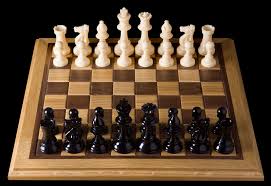
  1. দাবা খেলার আদি নাম-
Downloadv

দাবা খেলার আদি নাম-

দাবা খেলার আদি নাম ছিল চতুরঙ্গ। প্রাচীন ভারতে এই খেলাটির উৎপত্তি হয়েছিল এবং সংস্কৃত শব্দ "চতুরঙ্গ" মানে চারটি অঙ্গ বা বিভাগ, যা খেলার চারটি প্রধান সৈন্যবাহিনীকে (পদাতিক, অশ্বারোহী, গজ বা হাতী, এবং রথ) নির্দেশ করে। চতুরঙ্গ থেকে দাবা হয়ে ওঠার প্রক্রিয়া: 1. উৎপত্তি ও বিস্তার: চতুরঙ্গ খেলাটি ভারত থেকে পারস্য (বর্তমান ইরান) হয়ে মধ্যপ্রাচ্যে ছড়িয়ে পড়ে। 2. শতরঞ্জ: পারস্যে খেলাটি শতরঞ্জ নামে পরিচিতি লাভ করে। 3. ইউরোপে আগমন: দশম শতাব্দীতে মুসলিম আল-আন্দালুস (স্পেন) ও সিসিলির মাধ্যমে এটি ইউরোপে প্রবেশ করে। 4. আধুনিক রূপ: ইউরোপেই ধীরে ধীরে খেলাটির নিয়ম ও ঘুঁটির ব্যবহারে পরিবর্তন আসে, যা আজকের আধুনিক দাবা খেলার জন্ম দেয়।
2. বাংলার ইতিহাসে কোন শাসকের উপাধি ‘শাহ-ই-বাঙ্গালা’?

Copy Of সুলতান শামসুদ্দিন ইলিয়াস শাহ 1 1024x576 1

বাংলার ইতিহাসে কোন শাসকের উপাধি 'শাহ-ই-বাঙ্গালা'?

শামসুদ্দীন ইলিয়াস শাহকে 'শাহ-ই-বাঙ্গালা' বলা হত কারণ তিনি সমগ্র বাংলা অঞ্চলকে একীভূত করে একটি স্বাধীন সালতানাত প্রতিষ্ঠা করেছিলেন। তিনি লখনৌতি ও সোনারগাঁওকে একত্রিত করে একটি বৃহত্তর 'বাংলা' (ইক্লিম-ই-বাঙ্গালাহ) সৃষ্টি করেন। এই ভূখণ্ডের সকল অধিবাসী তখন থেকে 'বাঙালি' হিসেবে পরিচিতি লাভ করে। এই একক রাজ্যের প্রতীক হিসেবেই তিনি 'শাহ-ই-বাঙ্গালা' ও 'শাহ-ই-বাঙালিয়ান' উপাধি গ্রহণ করেন। 'শাহ-ই-বাঙ্গালা' উপাধি লাভের কারণ: একীভূত বাংলা: ইলিয়াস শাহ ১৩৪২ সালে লখনৌতির সিংহাসনে বসার পর সোনারগাঁও জয় করে লখনৌতি ও সোনারগাঁওকে একত্রিত করেন। পরবর্তীতে তিনি সাতগাঁও, বিহার, উড়িষ্যা এবং আসাম জয় করে একটি অবিভক্ত বাংলা সালতানাত প্রতিষ্ঠা করেন। বাঙালি জাতির উদ্ভব: এই প্রক্রিয়ার মাধ্যমে বাংলার সকল অঞ্চলের অধিবাসী প্রথম 'বাঙালি' হিসেবে পরিচিতি লাভ করে। জাতীয়তাবাদের প্রতীক: ইলিয়াস শাহ এই ঐক্যবদ্ধ বাংলার প্রতীক হিসেবে নিজেকে 'শাহ-ই-বাঙ্গালা' (বাঙালিদের রাজা) উপাধি দেন। এটি শুধু একটি রাজনৈতিক উপাধি ছিল না, বরং বাংলার রাজনৈতিক ও সাংস্কৃতিক ঐক্যকে বোঝাত এবং তাঁকে বাঙালি জাতীয়তাবাদের প্রবক্তা হিসেবেও পরিচিত করে তোলে।
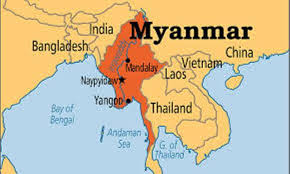
3. MNA কোন দেশের বার্তা সংস্থা?

Download 16

MNA কোন দেশের বার্তা সংস্থা?

MNA বা মায়ানমার নিউজ এজেন্সি মায়ানমারের রাষ্ট্রীয় সংবাদ সংস্থা। এটি ১৯৬২ সালের অভ্যুত্থানের পর ১৯৬৩ সালে নিউজ এজেন্সি বার্মা (NAB) নামে প্রতিষ্ঠিত হয়েছিল এবং এর সদর দপ্তর ইয়াঙ্গুনে অবস্থিত। এখানে MNA সম্পর্কে কিছু মূল তথ্য দেওয়া হলো: নাম: মায়ানমার নিউজ এজেন্সি (Myanmar News Agency)। সংক্ষিপ্ত নাম: MNA। দেশ: মায়ানমার (বার্মা)। অবস্থান: ইয়াঙ্গুন। প্রতিষ্ঠা: ১৯৬৩ সালে, নিউজ এজেন্সি বার্মা (NAB) নামে। বৈশিষ্ট্য: এটি মায়ানমার সরকারের সরকারি রাষ্ট্রীয় সংবাদ সংস্থা।

4. ১৫, ২০, ২৭, ৩৬ এই ধারার ১০তম পদটি কত?

5.  শহীদ আবু সাঈদ-কে নিয়ে অঙ্কিত শিল্পকর্ম ‘উন্নত মম শির’ -এর শিল্পী কে?

2

শহীদ আবু সাঈদ-কে নিয়ে অঙ্কিত শিল্পকর্ম 'উন্নত মম শির' -এর শিল্পী কে?

"উন্নত মম শির" শিল্পকর্মটি শিল্পী শহীদ কবির এঁকেছেন, যা জুলাই গণঅভ্যুত্থানে শহীদ হওয়া আবু সাঈদকে নিয়ে অঙ্কিত। এই শিল্পকর্মটি আবু সাঈদের স্মরণে তৈরি করা হয়েছে, যা বাংলাদেশে সম্প্রতি ভর্তি পরীক্ষার সাধারণ জ্ঞান অংশে প্রশ্ন হিসেবে এসেছিল। শিল্পকর্ম ও শিল্পী: শিল্পকর্মের নাম: উন্নত মম শির। শিল্পীর নাম: শহীদ কবির। প্রাসঙ্গিক তথ্য: শহীদ আবু সাঈদ ছিলেন বাংলাদেশের একজন সক্রিয় কর্মী, যিনি জুলাই গণঅভ্যুত্থানের সময় নিহত হন। তার স্মরণে নির্মিত শিল্পকর্ম 'উন্নত মম শির' নিয়ে রাজশাহী বিশ্ববিদ্যালয়ের ভর্তি পরীক্ষায় প্রশ্ন আসে। বিশিষ্ট শিল্পী শহীদ কবির এই কাজটি করেছেন, যা আবু সাঈদের ত্যাগের প্রতীক।
6. “All the world’s a stage/ And all the men and women merely players…” – উদ্ধৃতিটি কার লেখা থেকে নেয়া?

Download 17

"All the world's a stage/ And all the men and women merely players..." – উদ্ধৃতিটি কার লেখা থেকে নেয়া?

এই বিখ্যাত উদ্ধৃতিটি উইলিয়াম শেক্সপিয়র-এর নাটক 'As You Like It' থেকে নেওয়া হয়েছে। নাটকটিতে জ্যাক নামক এক চরিত্র এই কথাগুলো বলে। নাট্যকার: উইলিয়াম শেক্সপিয়র নাটক: 'As You Like It' চরিত্র: জ্যাক (Jaques)

7. বাংলাদেশে প্রথম মোবাইল ফোন সেবা চালু হয় কবে?

8. বিশ্বের প্রথম AI শিশুর নাম কী?

Dhakatoday1708107963556y

বিশ্বের প্রথম AI শিশুর নাম কী?

বিশ্বের প্রথম এআই শিশুর নাম টং টং (Tong Tong)। বেইজিং ইনস্টিটিউট ফর জেনারেল আর্টিফিশিয়াল ইন্টেলিজেন্স (BIGAI)-এর বিজ্ঞানীরা এই এআই শিশুটি তৈরি করেছেন, যা তিন বা চার বছর বয়সী মানব শিশুর মতো মানসিক বিকাশ এবং জ্ঞানীয় ক্ষমতা সম্পন্ন। চীনা ভাষায় 'টং টং' অর্থ 'ছোট মেয়ে'। টং টং সম্পর্কে কিছু তথ্য: সৃষ্টিকারী: বেইজিং ইনস্টিটিউট ফর জেনারেল আর্টিফিশিয়াল ইন্টেলিজেন্স (BIGAI)। বৈশিষ্ট্য: এটি কৃত্রিম বুদ্ধিমত্তা (এআই) প্রযুক্তির মাধ্যমে তৈরি করা হয়েছে এবং এটি পর্দায় দেখা যাবে। উদ্দেশ্য: টং টং-এর মাধ্যমে প্রযুক্তি বিশ্বে বড় ধরনের পরিবর্তন আনা সম্ভব বলে বিজ্ঞানীরা মনে করেন, এবং এটি কৃত্রিম সাধারণ বুদ্ধিমত্তা (AGI)-এর দিকে একটি গুরুত্বপূর্ণ পদক্ষেপ হিসেবে বিবেচিত হচ্ছে।
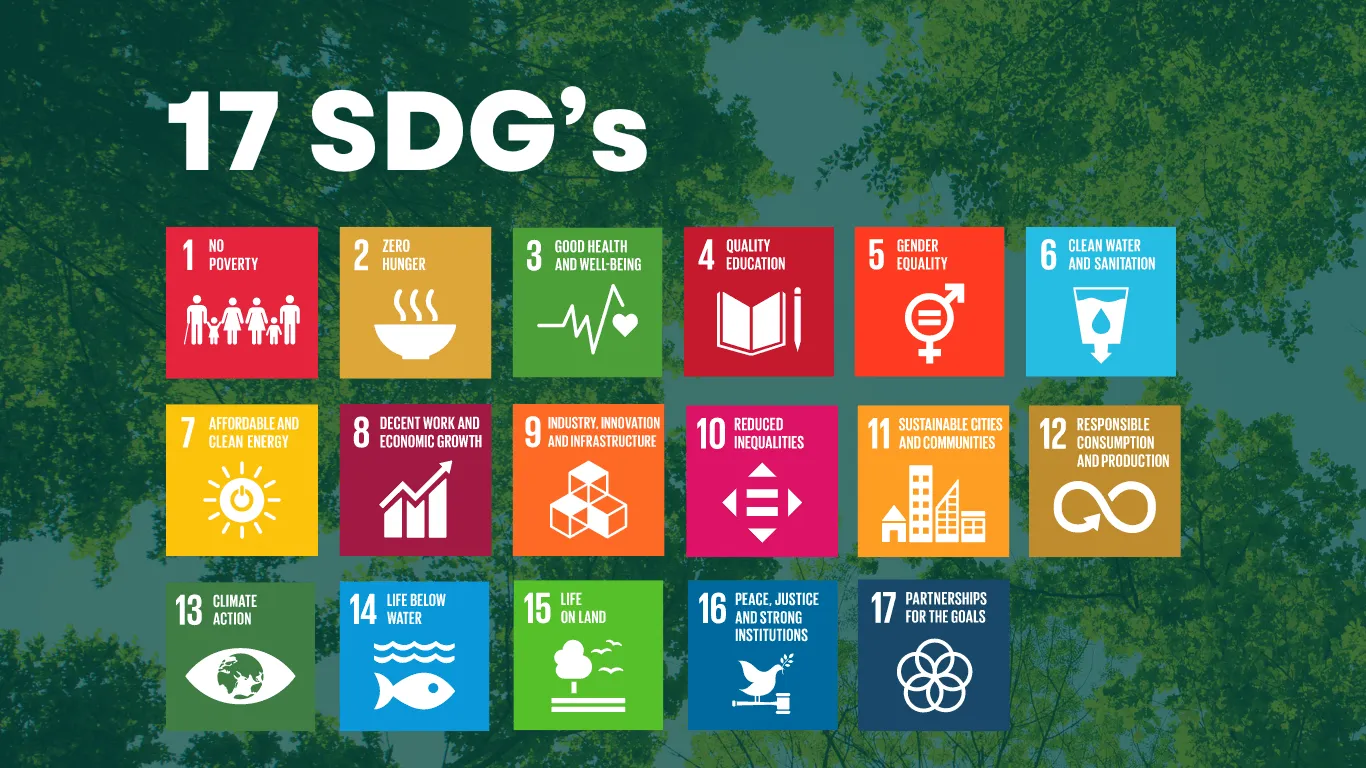
9.  টেকসই উন্নয়ন লক্ষ্যমাত্রার অন্তর্গত নয়-

17 SDGS Agenda 2030.format Webp

টেকসই উন্নয়ন লক্ষ্যমাত্রার অন্তর্গত নয়-

টেকসই উন্নয়ন লক্ষ্যমাত্রার (SDG) অন্তর্ভুক্ত নয় এমন একটি বিষয় হলো গণতন্ত্রায়ণ। টেকসই উন্নয়ন লক্ষ্যমাত্রা হলো সকলের জন্য একটি উন্নত ও টেকসই ভবিষ্যৎ অর্জনের জন্য ১৭টি আন্তঃসংযুক্ত বৈশ্বিক লক্ষ্য। এই লক্ষ্যগুলোর মধ্যে জেন্ডার সমতা, মানসম্মত শিক্ষা, দারিদ্র্য দূরীকরণ, এবং ক্ষুধা মুক্তি অন্তর্ভুক্ত, কিন্তু গণতন্ত্রায়ণ সরাসরি লক্ষ্যমাত্রার অংশ নয়। টেকসই উন্নয়ন লক্ষ্যমাত্রার অন্তর্ভুক্ত কিছু মূল বিষয়: দারিদ্র্য বিলোপ (SDG 1): । শূন্য ক্ষুধা (SDG 2): । সুস্বাস্থ্য ও কল্যাণ (SDG 3): । মানসম্মত শিক্ষা (SDG 4): । জেন্ডার সমতা (SDG 5): । সাশ্রয়ী ও দূষণমুক্ত জ্বালানি (SDG 7): । শোভন কাজ ও অর্থনৈতিক প্রবৃদ্ধি (SDG 8): ।
10.  বাংলাদেশে আশ্রিত রোহিঙ্গা শরণার্থীদের জন্য সর্বোচ্চ সাহায্য এসেছে কোন দেশ থেকে?

11. জর্জিয়া-এর মুদ্রার নাম কী?

জর্জিয়া-এর মুদ্রার নাম কী?

বিভিন্ন দেশের মুদ্রার কিছু উদাহরণ হলো, বাংলাদেশের মুদ্রার নাম 'টাকা', ভারতের 'রূপী', চীনের 'ইউয়ান', জাপানের 'ইয়েন', যুক্তরাষ্ট্রের 'ডলার' এবং যুক্তরাজ্যের 'পাউন্ড'। ইউরো একটি সাধারণ মুদ্রা যা জার্মানি ও ইতালি সহ ইউরোপের অনেক দেশে ব্যবহৃত হয়। বিভিন্ন দেশের মুদ্রার নাম: বাংলাদেশ: টাকা ভারত: রূপী চীন: ইউয়ান জাপান: ইয়েন মার্কিন যুক্তরাষ্ট্র: ডলার যুক্তরাজ্য: পাউন্ড অস্ট্রেলিয়া: অস্ট্রেলিয়ান ডলার কানাডা: কানাডিয়ান ডলার রাশিয়া: রুবল সিঙ্গাপুর: ডলার মালয়েশিয়া: রিংগিট তুরস্ক: লিরা জার্মানি: ইউরো ইতালি: ইউরো পাকিস্তান: রূপী নেপাল: রূপী

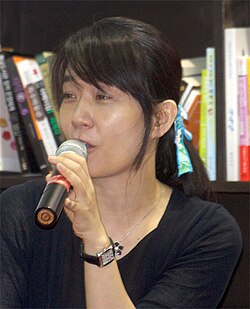
12. ২০২৪ সালে সাহিত্যে নোবেল বিজয়ী কে?

২০২৪ সালে সাহিত্যে নোবেল বিজয়ী হান কাং

২০২৪ সালে সাহিত্যে নোবেল বিজয়ী হান কাং

২০২৪ সালে সাহিত্যে নোবেল পুরস্কার পেয়েছেন দক্ষিণ কোরিয়ার লেখিকা হান কাং। সুইডিশ একাডেমি তাকে এই পুরস্কার প্রদান করে তার "তীব্র কাব্যিক গদ্যের জন্য যা ঐতিহাসিক আঘাতের মুখোমুখি হয় এবং মানব জীবনের ভঙ্গুরতা প্রকাশ করে"। তিনি সাহিত্যে নোবেল পুরস্কার জয়ী প্রথম এশীয় নারী লেখিকা এবং কিং দে-জুংয়ের পর দ্বিতীয় দক্ষিণ কোরীয় ব্যক্তি হিসেবে এই স্বীকৃতি লাভ করেছেন। পুরস্কারের কারণ নোবেল কমিটি হান কাংয়ের লেখাকে "ঐতিহাসিক যন্ত্রণাবিদ্ধ বিষয়ের সঙ্গে মুখোমুখি করা ও মানবজীবনের ভঙ্গুরতাকে উন্মোচনকারী প্রগাঢ় কাব্যিক গদ্য" বলে উল্লেখ করেছে। তার লেখায় মানুষের দুঃখ-কষ্ট ও মানবজীবনের নানা দিক ইতিহাসের সাথে সম্পর্কের মাধ্যমে প্রকাশিত হয়। কিছু প্রাসঙ্গিক তথ্য এই পুরস্কার ১০ অক্টোবর ২০২৪ তারিখে ঘোষিত হয় এবং ১০ ডিসেম্বর ২০২৪ তারিখে আনুষ্ঠানিক ভাবে প্রদান করা হয়। এই পুরস্কার বাবদ তাকে ১১ লক্ষ সুইডিশ ক্রাউন (প্রায় ১.১ মিলিয়ন আমেরিকান ডলার) দেওয়া হবে।
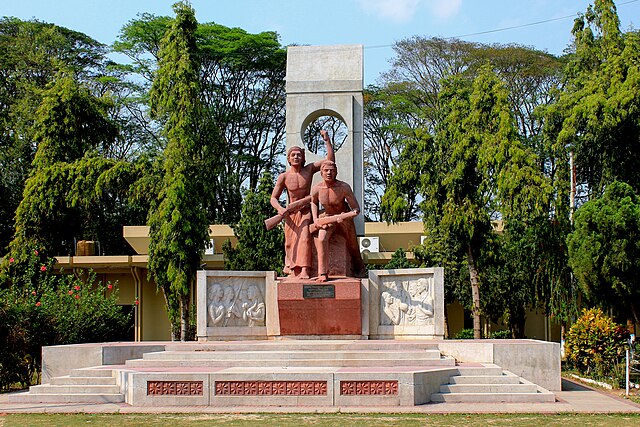
13.  ‘রাজশাহী বিশ্ববিদ্যালয় আইন ১৯৫৩’ পূর্ব বাংলার প্রাদেশিক আইন সভায় পাশ হয়-

'রাজশাহী বিশ্ববিদ্যালয় আইন ১৯৫৩' পূর্ব বাংলার প্রাদেশিক আইন সভায় পাশ হয়-

'রাজশাহী বিশ্ববিদ্যালয় আইন ১৯৫৩' পূর্ব বাংলার প্রাদেশিক আইন সভায় পাশ হয়-

'রাজশাহী বিশ্ববিদ্যালয় আইন ১৯৫৩' ১৯৫৩ সালের ৩১ মার্চ পূর্ব পাকিস্তান প্রাদেশিক পরিষদে পাশ হয়। এই আইন পাসের মাধ্যমে রাজশাহীকে পূর্ববঙ্গের দ্বিতীয় বিশ্ববিদ্যালয় হিসেবে প্রতিষ্ঠিত করা হয়। বিস্তারিত: প্রতিষ্ঠার পটভূমি: পূর্ব পাকিস্তানের দ্বিতীয় বিশ্ববিদ্যালয় হিসেবে রাজশাহীকে নির্বাচনের পর, ১৯৫৩ সালের ৩১ মার্চ পূর্ব পাকিস্তান প্রাদেশিক পরিষদে রাজশাহী বিশ্ববিদ্যালয় আইন পাশ করা হয়। আইনের ধারা: এই আইনটি ছিল পূর্ব বাংলা আইন XV, যার মাধ্যমে রাজশাহী বিশ্ববিদ্যালয় প্রতিষ্ঠিত হয়। প্রতিষ্ঠার তারিখ: এই আইন পাসের পর, ৬ জুলাই অধ্যাপক ইতরাত হোসেন জুবেরীকে নিয়ে মাদারবখশ রাজশাহী বিশ্ববিদ্যালয়ের ভিত্তি স্থাপন করেন।
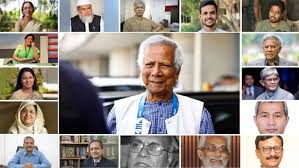
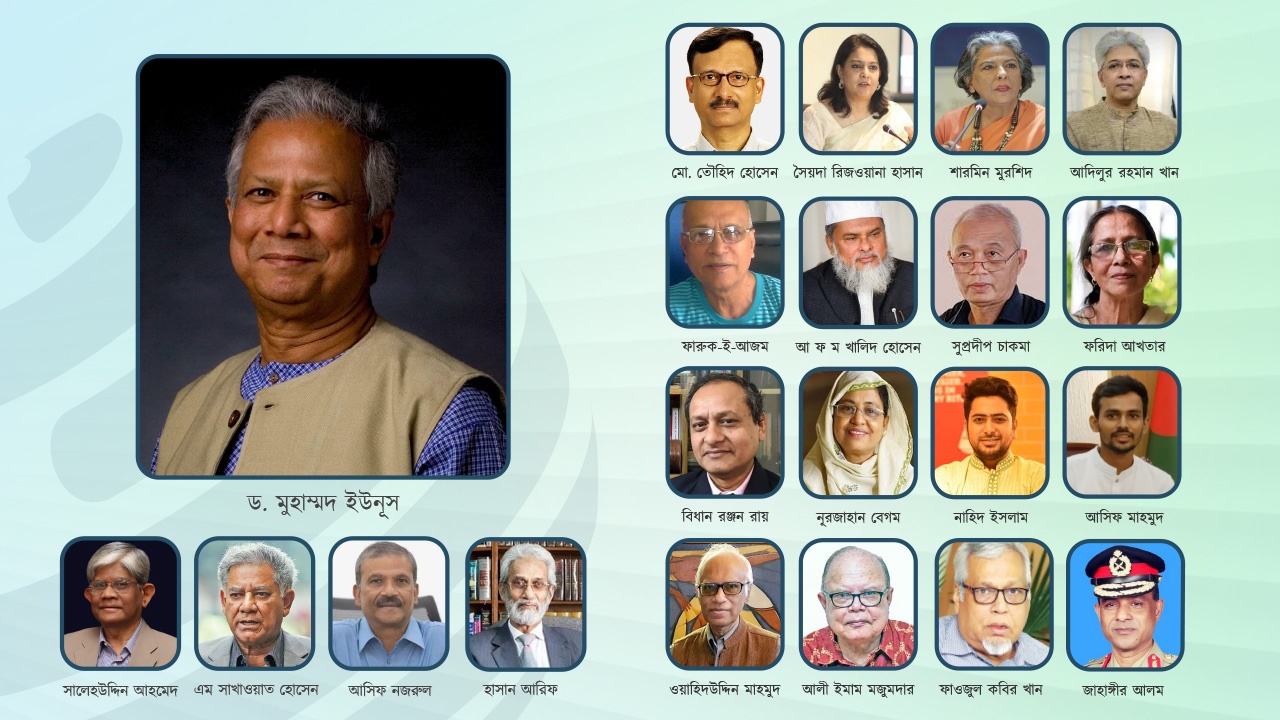
14. বর্তমান অন্তর্বর্তীকালীন সরকার কতটি সংস্কার কমিশন গঠন করেছে?

বর্তমান অন্তর্বর্তীকালীন সরকার কতটি সংস্কার কমিশন গঠন করেছে?

বর্তমান অন্তর্বর্তীকালীন সরকার কতটি সংস্কার কমিশন গঠন করেছে?

মুহাম্মদ ইউনূস ২০২৪ সালের ১১ সেপ্টেম্বর বাংলাদেশ রাষ্ট্র বিনির্মাণের লক্ষ্যে কয়েকটি সংস্কার কমিশন গঠনের আনুষ্ঠানিক ঘোষণা দেন। পরবর্তীতে পর্যায়ক্রমে সংবিধান, নির্বাচন, পুলিশ প্রশাসন, বিচার বিভাগ, দুর্নীতি দমন, জনপ্রশাসন সংস্কার কমিশনসহ মোট ১১টি কমিশন গঠিত হয়।
15. বর্তমান অন্তর্বর্তীকালীন সরকার গঠিত হয় কত তারিখে?

বর্তমান অন্তর্বর্তীকালীন সরকার গঠিত হয় কত তারিখে?

বর্তমান অন্তর্বর্তীকালীন সরকার গঠিত হয় কত তারিখে?

বাংলাদেশের বর্তমান অন্তর্বর্তীকালীন সরকার ৮ আগস্ট, ২০২৪ তারিখে গঠিত হয়। এই সরকার ড. মুহাম্মদ ইউনূসকে প্রধান উপদেষ্টা করে গঠিত হয় এবং এটি বৈষম্যবিরোধী ছাত্র আন্দোলনের পর গঠিত হয়েছিল, যখন শেখ হাসিনা সরকারের পতন ঘটে ও সংসদ ভেঙে দেওয়া হয়। গুরুত্বপূর্ণ তথ্য: গঠনের তারিখ: ৮ আগস্ট, ২০২৪। প্রধান উপদেষ্টা: ড. মুহাম্মদ ইউনূস। কারণ: বৈষম্যবিরোধী ছাত্র আন্দোলনের ফলে শেখ হাসিনা সরকারের পদত্যাগ এবং সংসদ ভেঙে দেওয়া। বৈধতা: রাষ্ট্রপতির মাধ্যমে গঠিত এই অন্তর্বর্তীকালীন সরকার সংবিধানের আলোকে বৈধতা লাভ করেছে।
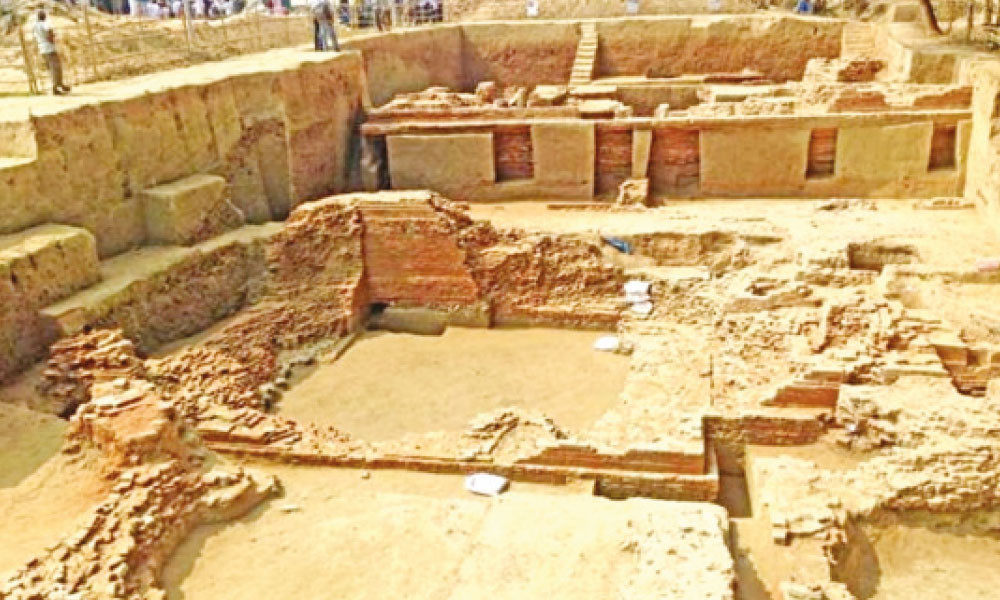
16. উয়ারী বটেশ্বর কোথায় অবস্থিত?

উয়ারী বটেশ্বর কোথায় অবস্থিত?

উয়ারী বটেশ্বর কোথায় অবস্থিত?

উয়ারী - বটেশ্বর অবস্থিত নরসিংদীতে। উয়ারী - বটেশ্বর ঢাকা শহর থেকে ৭০ কিমি উত্তরে পূর্বে নরসিংদী জেলার বেলাব উপজেলার উয়ারী বটেশ্বর গ্রামে অবস্থিত একটি ঐতিহাসিক ধ্বংসাবশেষ। উয়ারী-বটেশ্বর বাংলাদেশের ঢাকা বিভাগের নরসিংদীতে অবস্থিত প্রাচীন ধ্বংসাবশেষ এবং গুরুত্বপূর্ণ প্রত্নস্থল। খননকার্যের মাধ্যমে এখানে একটি সুরক্ষিত নগরকেন্দ্র, পাকা রাস্তা এবং শহরতলির বসতি উন্মোচিত হয়েছে।
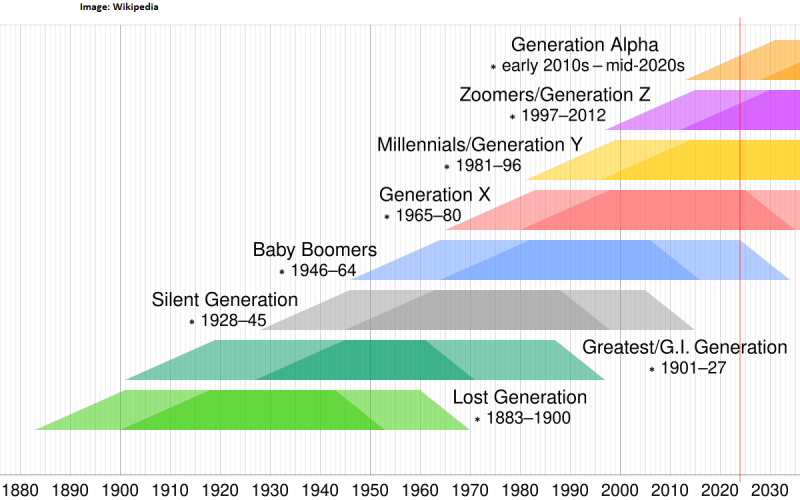
17.  কোন সময়কালকে Generation-Z (Gen-Z) -এর ব্যাপ্তি ধরা হয়?

কোন সময়কালকে Generation-Z (Gen-Z) -এর ব্যাপ্তি ধরা হয়?

কোন সময়কালকে Generation-Z (Gen-Z) -এর ব্যাপ্তি ধরা হয়?

জেনারেশন জেড (Generation Z বা Gen Z) বলতে মূলত ১৯৯৭ থেকে ২০১২ সালের মধ্যে জন্মগ্রহণকারী প্রজন্মকে বোঝায়। তবে, বিভিন্ন সংস্থা বা উৎস এই সময়কাল কিছুটা ভিন্নভাবে সংজ্ঞায়িত করতে পারে এবং কিছু ক্ষেত্রে এটি বিতর্কিতও হতে পারে। ১৯৯৭ থেকে ২০১২ সাল পর্যন্ত সময়কে জেনারেশন জেড-এর জন্মসাল হিসেবে উল্লেখ করে। Generation Z বা Gen Z হলো সেই প্রজন্ম যাদের জন্ম ১৯৯৭ থেকে ২০১২ সালের মধ্যে। এই প্রজন্ম ডিজিটাল যুগে বড় হয়েছে এবং স্মার্টফোন, সোশ্যাল মিডিয়া, এবং ইন্টারনেটের সাথে ঘনিষ্ঠভাবে জড়িত। Generation Z বা Gen Z হলো সেই প্রজন্ম যাদের জন্ম ১৯৯৭ থেকে ২০১২ সালের মধ্যে। এই প্রজন্ম ডিজিটাল যুগে বড় হয়েছে এবং স্মার্টফোন, সোশ্যাল মিডিয়া, এবং ইন্টারনেটের সাথে ঘনিষ্ঠভাবে জড়িত। জেন–জিদের জন্মকাল ১৯৯৭ থেকে ২০১২ সাল পর্যন্ত এবং এঁদের বর্তমান বয়স ১২ থেকে ২৭ বছর। এঁদের মা-বাবারা মূলত জেনারেশন এক্স ও ওয়াইয়ের সদস্য।
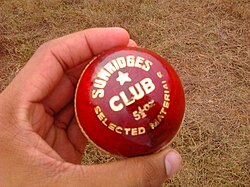
18. ক্রিকেট বলের ওজন কত হয়?

ক্রিকেট বলের ওজন কত হয়?

ক্রিকেট বলের ওজন কত হয়?

পুরুষদের শীর্ষ-স্তরের ক্রিকেটের জন্য, একটি নতুন বলের ওজন ৫.৫০ থেকে ৫.৭৫ আউন্স (প্রায় ১৫৫.৯ থেকে ১৬৩ গ্রাম) হতে হবে। আউন্স: ৫.৫০ থেকে ৫.৭৫ আউন্স। গ্রাম: ১৫৫.৯ গ্রাম থেকে ১৬৩ গ্রাম। এই ওজনটি ক্রিকেট বলের জন্য একটি আন্তর্জাতিক মানদণ্ড, যা প্রথম-শ্রেণীর ক্রিকেট ম্যাচগুলোতে অনুসরণ করা হয়।
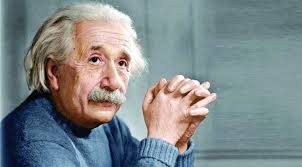
19. ‘আইনস্টাইনের আপেক্ষিকতা তত্ত্ব’ কোন সালে প্রকাশিত হয়?

'আইনস্টাইনের আপেক্ষিকতা তত্ত্ব' কোন সালে প্রকাশিত হয়?

'আইনস্টাইনের আপেক্ষিকতা তত্ত্ব' কোন সালে প্রকাশিত হয়?

আইনস্টাইনের আপেক্ষিকতার তত্ত্ব বলতে দুটি তত্ত্বকে বোঝানো হয়, যার মধ্যে বিশেষ আপেক্ষিকতা তত্ত্ব প্রকাশিত হয় ১৯০৫ সালে এবং সাধারণ আপেক্ষিকতা তত্ত্ব প্রকাশিত হয় ১৯১৫-১৯১৬ সালে। বিশেষ আপেক্ষিকতা তত্ত্ব এই তত্ত্বটি ১৯০৫ সালে আলবার্ট আইনস্টাইন প্রকাশ করেন। এটি আলো, সময় এবং শক্তি সম্পর্কে বিপ্লবী ধারণা বর্ণনা করে। সাধারণ আপেক্ষিকতা তত্ত্ব এই তত্ত্বটি ১৯১৫-১৯১৬ সালে প্রকাশিত হয়। এটি মহাকর্ষের জ্যামিতিক তত্ত্বকে ব্যাখ্যা করে, যা স্থান ও সময়ের বক্রতা থেকে উদ্ভূত হয়।

20. ‘গ্রিন ক্লাইমেট ফান্ড’ (GCF) -এর সদরদপ্তর কোথায় অবস্থিত?

গ্রিন ক্লাইমেট ফান্ড এর সদর দপ্তর কোথায় অবস্থিত

'গ্রিন ক্লাইমেট ফান্ড' (GCF) -এর সদরদপ্তর কোথায় অবস্থিত?

গ্রিন ক্লাইমেট ফান্ডের (Green Climate Fund) সদর দপ্তর দক্ষিণ কোরিয়ার ইনচিওনের সোংডো শহরে অবস্থিত। এটি জলবায়ু পরিবর্তন সম্পর্কিত জাতিসংঘের ফ্রেমওয়ার্ক কনভেনশন (UNFCCC) এর অধীনে পরিচালিত হয় এবং উন্নয়নশীল দেশগুলিতে জলবায়ু পরিবর্তন মোকাবেলায় সহায়তা করার জন্য কাজ করে। সদর দপ্তর সম্পর্কে অতিরিক্ত তথ্য: অবস্থান: দক্ষিণ কোরিয়ার ইনচিওনের সোংডো। পরিচালনা: এটি একটি ২৪ সদস্যের বোর্ড দ্বারা পরিচালিত হয় এবং একটি সচিবালয় দ্বারা সমর্থিত। উদ্দেশ্য: উন্নয়নশীল দেশগুলিতে জলবায়ু পরিবর্তনের প্রভাব মোকাবিলায় প্রকল্প, কর্মসূচি এবং নীতি সমর্থন করা। দায়বদ্ধতা: গ্রিন ক্লাইমেট ফান্ড জাতিসংঘের কাছে দায়বদ্ধ এবং জলবায়ু পরিবর্তন সম্পর্কিত ইউএন ফ্রেমওয়ার্ক কনভেনশন (UNFCCC) এর বিধান দ্বারা পরিচালিত হয়।

21. বাংলাদেশকে স্বীকৃতি প্রদানকারী প্রথম ইউরোপীয় দেশ কোনটি?

বাংলাদেশকে স্বীকৃতি প্রদানকারী প্রথম ইউরোপীয় দেশ কোনটি?

বাংলাদেশকে স্বীকৃতি প্রদানকারী প্রথম ইউরোপীয় দেশ ছিল তৎকালীন পূর্ব জার্মানি। পূর্ব জার্মানি ১৯৭২ সালের ১১ জানুয়ারি বাংলাদেশকে স্বাধীন রাষ্ট্র হিসেবে স্বীকৃতি দেয়। স্বীকৃতিদানের তারিখ: ১১ জানুয়ারি ১৯৭২। গুরুত্ব: পূর্ব জার্মানি ইউরোপের প্রথম এবং বিশ্বের তৃতীয় দেশ হিসেবে বাংলাদেশকে স্বীকৃতি দিয়েছিল।

22. ই-মেইল কে উদ্ভাবন করেন?

ই-মেইল কে উদ্ভাবন করেন?

ই-মেইল কে উদ্ভাবন করেন?

১৯৭১ - রে টমলিনসন আজ আমরা যা জানি তা ইলেকট্রনিক মেইল ​​আবিষ্কার করেন, ARPANET-এর জন্য একটি নেটওয়ার্কযুক্ত ইমেল সিস্টেম তৈরি করেন। ডিজিটাল বার্তা পাঠানো যেতে পারে এবং কারো জন্য অপেক্ষা করা যেতে পারে। বিশ শতকের ষাট-সত্তরের দশকে ইন্টারনেট প্রোটোকল(INTERNET PROTOCOL)এর মাধ্যমে আরপানেট (ARPANET) এর জন্ম হয় ১৯৭১ সালে তখন আমেরিকার প্রোগ্রামার রোমান্ড স্যামুয়েল টমলিসন ই-মেইল এর সূচনা করেন ই-মেইলের জনক হলেন আমেরিকান কম্পিউটার বিজ্ঞানী রে টমলিনসন। ১৯৭১ সালে তিনি প্রথম ই-মেইল পাঠান এবং "@" চিহ্নটি ব্যবহার করে কম্পিউটারের ভিন্ন হোস্টের মধ্যে বার্তা আদান-প্রদানের ব্যবস্থা করেন, যা আধুনিক ই-মেইলের ভিত্তি স্থাপন করে। বাংলাদেশে ১৯৯৫ সালে অফলাইন ই-মেইল-এর মাধ্যমে সীমিত আকারে ইন্টারনেটের ব্যবহার শুরু হয়, যা ই-মেইল চালুর প্রথম ধাপ ছিল। এর পরবর্তী বছর, ১৯৯৬ সালে, দেশে ইন্টারনেট সবার জন্য উন্মুক্ত হয় এবং একটি আইএসপি-র মাধ্যমে অনলাইন ই-মেইল পরিষেবা চালু হয়।
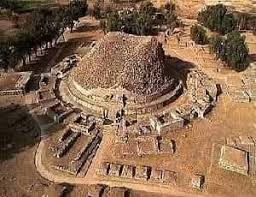
23. বিশ্বের কোন দেশ গ্রামীণ ব্যাংকের আদলে ক্ষুদ্র ঋণ চালু করে?

বিশ্বের কোন দেশ গ্রামীণ ব্যাংকের আদলে ক্ষুদ্র ঋণ চালু করে?

গ্রামীণ ব্যাংকের আদলে ক্ষুদ্র ঋণ চালু হয়েছে জাপানসহ বিশ্বের ৯৭টি দেশে, যেখানে 'গ্রামীণ নিপ্পন' নামে একটি প্রতিষ্ঠান গ্রামীণ ব্যাংকের আদলে জাপানে কাজ করছে। এছাড়া, বাংলাদেশ থেকে গ্রামীণ ব্যাংকের ধারণা প্রথম চালু হয় মালয়েশিয়ায়, ১৯৮৫ সালে। বিস্তারিত: জাপান: জাপানে 'গ্রামীণ নিপ্পন' নামে একটি প্রতিষ্ঠান গ্রামীণ ব্যাংকের আদলে ক্ষুদ্রঋণ চালু করেছে, যার মূল লক্ষ্য হলো দারিদ্র্য ও অর্থনৈতিক বৈষম্য মোকাবেলা করা। মালয়েশিয়া: গ্রামীণ ব্যাংকের ধারণাটি বাংলাদেশের বাইরে প্রথম চালু হয় মালয়েশিয়ায়, ১৯৮৫ সালে, যার ফলে সেখানে গ্রামীণ ব্যাংকের আদলে ক্ষুদ্রঋণের ব্যবস্থা শুরু হয়। অন্যান্য দেশ: গ্রামীণ ব্যাংকের এই মডেলটি অনুসরণ করে বিশ্বের বিভিন্ন দেশে দারিদ্র্য বিমোচন ও প্রান্তিক জনগোষ্ঠীর ক্ষমতায়নের জন্য ক্ষুদ্রঋণ কার্যক্রম চলছে। বাংলাদেশের বাইরে গ্রামীণ ব্যাংকের ধারণাটি প্রথম চালু করে মালয়েশিয়া। ১৯৮৫ সালে মালয়েশিয়ায় এই ধারণা প্রথম বাস্তবায়ন করা হয়। কিছু অতিরিক্ত তথ্য: গ্রামীণ ব্যাংক মূলত দরিদ্র ও প্রান্তিক জনগোষ্ঠীকে জামানতবিহীন ক্ষুদ্রঋণ প্রদানের মাধ্যমে আর্থিকভাবে স্বাবলম্বী করে তোলার একটি উদ্যোগ। এই ধারণাটি পরবর্তীতে বিশ্বের ৬৪টিরও বেশি দেশে অনুকরণ করা হয়েছে। গ্রামীণ ব্যাংকের প্রতিষ্ঠাতা অধ্যাপক মুহাম্মদ ইউনূস এবং গ্রামীণ ব্যাংক যৌথভাবে ২০০৬ সালে শান্তিতে নোবেল পুরস্কার লাভ করেন।
বিশ্বে গ্রামীণ ব্যাংকের অবস্থান কত?
ফরচুনের চেঞ্জ দ্য ওয়ার্ল্ড তালিকায় গ্রামীণ ব্যাংক ১২তম স্থানে রয়েছে, যা দারিদ্র্যপীড়িতদের জন্য নতুন অর্থনৈতিক সুযোগ তৈরি এবং ব্যাংকিং পরিষেবার বাইরে থাকা মানুষদের আর্থিক পরিষেবার আওতায় আনার স্বীকৃতি।
বাংলাদেশ গ্রামীণ ব্যাংক কোন সালে চালু হয়?
গ্রামীণ ব্যাংক ১৯৮৩ সালে মোহাম্মদ ইউনূস কর্তৃক প্রতিষ্ঠিত হয়। এটি বাংলাদেশে প্রতিষ্ঠিত একটি ক্ষুদ্রঋণ সংস্থা এবং সম্প্রদায় উন্নয়ন ব্যাংক। গ্রামীণ ব্যাংক দরিদ্রদের জামানত ছাড়াই ক্ষুদ্র ঋণ (মাইক্রোক্রেডিট বা "গ্রামীণক্রেডিট" নামে পরিচিত) প্রদান করে।
গ্রামীণ ব্যাংক কোন সালে নোবেল পুরস্কার পেয়েছে?
গ্রামীণ ব্যাংক এবং এর প্রতিষ্ঠাতা মুহাম্মদ ইউনুস ২০০৬ সালে দারিদ্র্য বিমোচনে অবদানের জন্য যৌথভাবে নোবেল শান্তি পুরস্কার লাভ করে। বছর: ২০০৬ সাল। পুরস্কার: নোবেল শান্তি পুরস্কার। কারণ: গ্রামীণ ব্যাংক ক্ষুদ্রঋণ (ক্ষুদ্র ঋণ) বিতরণের মাধ্যমে দারিদ্র্য বিমোচনে গুরুত্বপূর্ণ অবদান রেখেছে। এই পুরস্কার মুহাম্মদ ইউনুসকে ক্ষুদ্রঋণ ধারণা ছড়িয়ে দেওয়ার এবং দরিদ্রদের অর্থনৈতিকভাবে স্বাবলম্বী করে তুলতে সাহায্য করার জন্য প্রদান করা হয়।

24. তক্ষশীলা কোন দেশে অবস্থিত?

তক্ষশীলা কোন দেশে অবস্থিত?

তক্ষশীলা কোন দেশে অবস্থিত?

তক্ষশীলা (Taxila) পাকিস্তানে অবস্থিত। এটি পাকিস্তানের পাঞ্জাব প্রদেশের রাওয়ালপিন্ডি জেলার পোথোহার অঞ্চলে অবস্থিত একটি ঐতিহাসিক শহর এবং ইউনেস্কো বিশ্ব ঐতিহ্যবাহী স্থান। এটি ইসলামাবাদ-রাওয়ালপিন্ডির প্রায় ২৫ কিলোমিটার উত্তর-পশ্চিমে অবস্থিত। আরো কিছু তথ্য: ঐতিহাসিক গুরুত্ব: তক্ষশীলা ছিল প্রাচীন গান্ধার রাজ্যের রাজধানী এবং প্রাচীনকালে ধর্মীয় ও ধর্মনিরপেক্ষ উভয় বিষয়ের শিক্ষার একটি গুরুত্বপূর্ণ কেন্দ্র ছিল। বর্তমান অবস্থা: এটি একটি প্রত্নতাত্ত্বিক স্থান, যেখানে বিভিন্ন সময়ের বসতি, বৌদ্ধ বিহার ও একটি মুসলিম মসজিদ ও মাদ্রাসার ধ্বংসাবশেষ পাওয়া যায়। ভৌগোলিক অবস্থান: শহরটি রাওয়ালপিন্ডি থেকে প্রায় ৩২ কিলোমিটার (২০ মাইল) উত্তর-পশ্চিমে অবস্থিত এবং গ্র্যান্ড ট্রাঙ্ক রোডের কাছেই এর অবস্থান।

Scroll to Top
0

Subtotal